United States

Podcast Episode
Ask the Expert: The Hidden Costs of Elevator Design with Michael Walsh
October 30, 2026
From delayed inspections to costly repairs, elevator decisions can have a major impact on a building's construction schedule, operating costs, and long-term performance. In this episode of Ask the Expert, Michael Walsh, Vice President of Elevator Construction Consultants at STO Building Group, breaks down some of the most common elevator challenges facing building owners, architects, and construction teams.
Key Takeaways
- Elevator installations can become critical-path bottlenecks when dimensional discrepancies, lighting deficiencies, and code coordination issues are not addressed early in design.
- Elevator dimensions vary between manufacturers, making early coordination between architects, consultants, and elevator contractors essential to preventing installation delays.
- Inadequate lighting in elevator machine rooms and at landings can result in failed inspections and costly last-minute corrections.
- Elevator codes vary by state, making it important to identify and follow the applicable requirements throughout design and construction.
- Elevator wait times and traffic performance have a greater impact on tenant satisfaction than high-end cab finishes or cosmetic upgrades.
- Inadequate elevator traffic studies and capacity planning can create long-term operational challenges that are difficult and expensive to correct after construction.
- Independent elevator assessments help insurance adjusters distinguish actual storm or water damage from unrelated repairs and proposed modernization upgrades.
- Insurance claims require careful evaluation of damaged components, repair estimates, and code-related upgrades to ensure proposed work reflects the actual loss.
- Future-proofing elevator systems decades in advance is challenging because elevator technologies and safety codes continue to evolve.
- Elevator fault logs provide valuable information during investigations and litigation, but proprietary terminology and limited local storage can complicate their interpretation.
- Modern elevator systems may retain additional fault records on remote servers, while locally stored logs can be cleared by technicians.
Highlights In This Episode
Michael Walsh introduces the elevator challenges that can affect a building throughout its lifecycle, from construction delays and inspection requirements to insurance claims and long-term performance.
Dimensional discrepancies, inadequate lighting, and code coordination are three common issues that can delay elevator installations and inspections. Addressing these requirements early in design can help prevent costly corrections and setbacks.
Elevator performance has a greater impact on the tenant experience than cosmetic upgrades. Without proper traffic studies and capacity planning, buildings can experience long wait times that are difficult and expensive to correct after construction.
Independent assessments help insurance adjusters determine which elevator components were actually damaged during weather events or floods. Michael explains how consultants distinguish legitimate repairs from unrelated modernization work and evaluate proposed repair costs.
Predicting elevator technology and code requirements decades in advance is nearly impossible. Michael discusses how evolving safety standards make it difficult to future-proof elevator systems and why designing to current code requirements remains essential.
Elevator fault logs provide valuable information about system events, but interpreting them requires specialized expertise. Michael explains how locally stored logs can be cleared, why proprietary fault codes can be difficult to interpret, and how newer systems may retain additional records on remote servers.
Closing Summary
In this episode of Ask the Expert, Michael Walsh examines the elevator decisions that can significantly impact construction schedules, operating costs, insurance claims, and long-term building performance. From dimensional discrepancies and lighting deficiencies to code compliance and traffic planning, he explains how overlooked details during design and construction can create costly challenges later in a building’s lifecycle. The discussion highlights why early coordination and informed decision-making are essential to avoiding installation delays and improving elevator performance. Michael also explores the importance of prioritizing elevator wait times over cosmetic upgrades, conducting independent damage assessments for insurance claims, and distinguishing necessary repairs from unrelated modernization work. Looking ahead, Michael addresses the challenges of designing elevator systems for future technologies and explains how digital fault logs are used during investigations and litigation. While elevator technology and code requirements continue to evolve, the episode reinforces the value of specialized expertise, proper planning, and a clear understanding of elevator systems in reducing risk and supporting reliable building operations.
Host


Michael Walsh
Vice President
Elevator Construction Consultants (ECC)
Michael Walsh brings nearly 40 years of hands-on experience in the elevator and escalator industry, beginning his career as an apprentice and progressing through installation, modernization, and maintenance roles. After owning and selling Allied Elevator in 2015, he shifted his focus to consulting, joining LF Driscoll as Senior Project Manager of Vertical Transportation. There, he supported over 43 projects, including the high-profile PennFirst Pavilion and the large-scale CHOP New Patient Tower, both complex healthcare facilities with extensive vertical transportation systems. In 2025, Michael was promoted to Vice President.
In his current role, he leads STO Building Group (STOBG)’s Elevator Construction Consultants (ECC), a service line dedicated to improving elevator system performance, efficiency, and compliance.
Prior to LF Driscoll, Michael managed national accounts at Citywide Elevator Consultants, overseeing more than 25 modernization projects across the country. He holds over 20 certifications on diverse elevator systems and is a certified elevator mechanic and National QEI Certified Elevator Inspector, licensed in multiple states. His expertise is further recognized through his service on four National ASME Code Committees, helping shape industry standards.
Beyond his professional achievements, Michael is a U.S. Air Force veteran and a passionate advocate for veterans’ causes. In 2009, he founded “A Lift for a Vet,” a nonprofit that installs elevators and wheelchair lifts for veterans in need. Michael also volunteers with the American Red Cross Disaster Preparedness and Recovery Team, continuing his commitment to service in both his industry and community
Similar Episodes

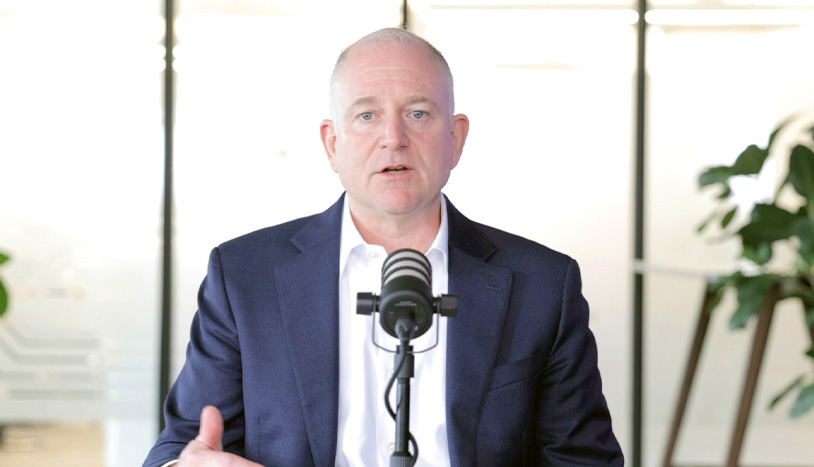
Ask the Expert: The Elevator Playbook with Michael Walsh

In the latest episode of Ask the Expert, series, Michael Walsh, Vice President of Elevator Construction Consultants at STO Building Group (STOBG), shares key insights into elevator system planning, coordination, and innovation. From design-phase red flags to the rise of AI-powered elevators, Walsh breaks down strategies that keep projects on schedule and performing at their best.
Listen Now
Ask the Expert: Repositioning NYC’s Office Buildings with Brooks McDaniel
As New York City's office market continues to evolve, what separates thriving properties from struggling assets? In this episode of Ask the Expert, host Brooks McDaniel, Senior Vice President of Building Repositioning at STO Building Group, explores the current state of the New York City office market and explains how strategic building repositioning can help older office properties compete with today's premier Class A developments.
Listen Now