United States

Podcast Episode
Ask the Expert: The State of the Construction Labor Market with Greg Dunkle
January 16, 2026
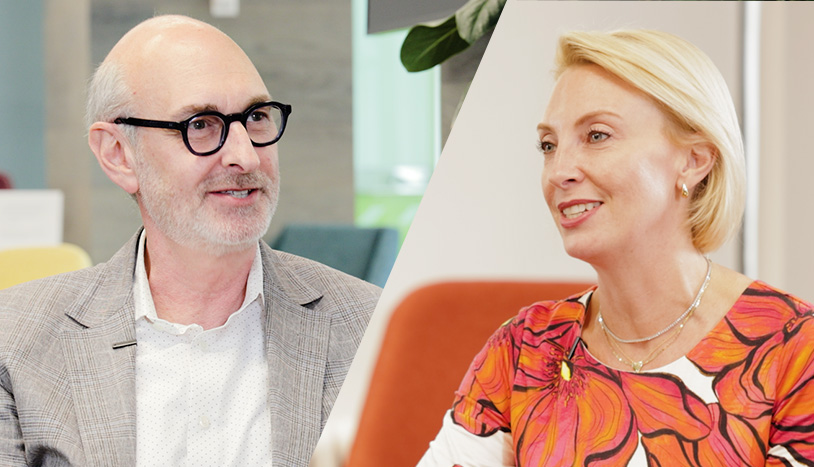
In this Ask the Expert episode, STO Building Group (STOBG) COO Greg Dunkle unpacks the realities of today’s construction labor market—from a 500,000-worker shortage and rising wages to safety, quality, and staffing strategies. Greg shares how workforce trends impact project outcomes and what owners should look for when choosing a contractor in a constrained labor environment.
Key Takeaways
- The construction industry is facing a severe labor shortage—up to 500,000 workers—driven by retirements, rising demand, and rapid growth in sectors like AI and data centers.
- Labor constraints directly affect schedules, budgets, safety, and overall project quality.
- Clients should evaluate both the GC’s internal team and their trade partners early, ensuring capacity, safety, and workforce mobility.
- Robust preconstruction planning and strong trade prequalification reduce risks and improve predictability.
- Workforce planning questions should start during procurement to assess bench strength and staffing strategy.
- Training, mentorship, and multi-tier professional development programs are essential to building future industry leaders.
- Firms with strong safety cultures and structured talent pipelines will be best positioned to deliver work reliably despite the labor crisis.
Highlights In This Episode
2025 brought an explosion of mega-projects across the U.S., Europe, and Canada—and a severe labor shortage to match. The industry is facing a 430,000–500,000 worker deficit, rising wages, a retiring workforce (“silver tsunami”), and a growing need for skilled technical labor. Sectors like AI and data centers are accelerating the demand even faster than expected.
Labor accounts for 35–50% of project cost, so shortages directly affect schedules, budgets, quality, and safety. In some markets, the need for certain trades massively outpaces availability (e.g., 15,000 electricians needed, only 10 available). The lack of experienced workers increases risk, lowers craftsmanship, and creates safety hazards as new or inexperienced workers enter job sites.
Before awarding a project, clients should ensure the contractor has committed internal staff AND qualified trade partners. Key questions:
- Does the GC have the skilled team to staff the project?
- Do the trade contractors have capacity, quality, and relevant experience?
- Are safety records strong and consistent?
- Can the workforce travel if the project is remote?
A strong preconstruction plan—staffing, labor strategy, schedule, and trade lineup—is essential.
Clients should dig into workforce planning early. Critical areas include:
- Who is the actual team, and are they fully committed to your project?
- How will the contractor manage workforce logistics (housing, travel, onboarding)?
- How will peaks and valleys in labor demands be handled?
- What training, development, and safety programs are in place?
- How has the firm handled labor shortages on past projects?
A robust trade contractor prequalification process helps avoid mid-project failures and safety issues.
STOBG emphasizes a “Safety 360” culture—every person on site is responsible for safety. Training, open communication, and strong oversight are required from day one. Clients should look for firms that can clearly articulate their safety culture, regulatory approach, and how they ensure consistent compliance across teams.
Recruitment starts early, including partnerships with ACE mentoring programs, high school pipelines, internships, and college outreach. STOBG focuses heavily on early engagement to build a reliable long-term talent pool.
STOBG uses a multi-tier system designed to support career growth from day one:
- Rotational Project Engineering Program for new grads and field talent
- Superintendent Academy for focused field leadership development
- Emerging Leaders Program for advancing future managers
- Ascend & Horizon Programs to prepare high-potential employees for senior leadership roles
Alongside these, on-site training and Safety 360 reinforce performance, competency, and culture across all job sites.
From fall-protection courses to vendor-supported technical training, STOBG emphasizes consistent education. The goal: ensure every worker is informed, capable, and aligned with site expectations to reduce incidents and strengthen project outcomes.
Host


Greg Dunkle
Chief Operating Officer
STO Building Group (STOBG)
With over 30+ years of experience managing full-service construction companies, Greg Dunkle is an expert in development, design, pre-construction, and construction services spanning multiple markets and sectors. As Chief Operating Officer, Greg is responsible for the overall direction and leadership of STO Building Group (STOBG)’s Corporate Services group, including Human Resources, Information Technology, Safety, Risk Management, Legal Services, and Compliance & Audit. He also plays a key role in the company’s merger and acquisition process, strategic planning, and various operational improvement initiatives. Prior to joining STOBG, Greg served as Executive Vice President, Eastern Division Manager, for Tutor Perini Corporation and spent 22 years with Gilbane Building Company. Greg’s dedication to our industry extends to the community as well. He is a member of the national board of directors for the ACE Mentor Program, which connects architecture, engineering, and construction professionals to high school students to inspire them to pursue AEC careers. Greg is also a LEED Accredited Professional, a CMAA Certified Professional, and OSHA 30-Hour certified. He holds a bachelor of architectural engineering degree in construction management from Penn State.
Similar Episodes

Innovation Expo: Buildots

In this episode of STO Building Group (STOBG)’s Innovation Expo series, host Rob Leon sits down with Jessica Herrala, Regional Vice President at Buildots, to explore how AI-powered progress tracking is transforming the way construction teams monitor performance, forecast delays, and make data-driven decisions. From visual AI and object recognition to portfolio-level insights and early risk detection, the conversation highlights how Buildots is helping project teams reduce administrative burden, improve collaboration with trades, and bring greater predictability to complex construction portfolios.
Listen Now
Ask the Expert: Inside the World of Compliance with Leah Ramos
In this episode of Ask the Expert, Leah Ramos, Senior Vice President of Ethics, Compliance, and Audit at STO Building Group (STOBG), breaks down the biggest myths around compliance and explains its true role in protecting integrity, reputation, and trust. From managing integrity-related risk and guiding teams through new markets, to vetting subcontractors, navigating bidding processes, and ensuring ethical practices across the supply chain, Leah shares how compliance works behind the scenes to help projects succeed.
Listen Now