
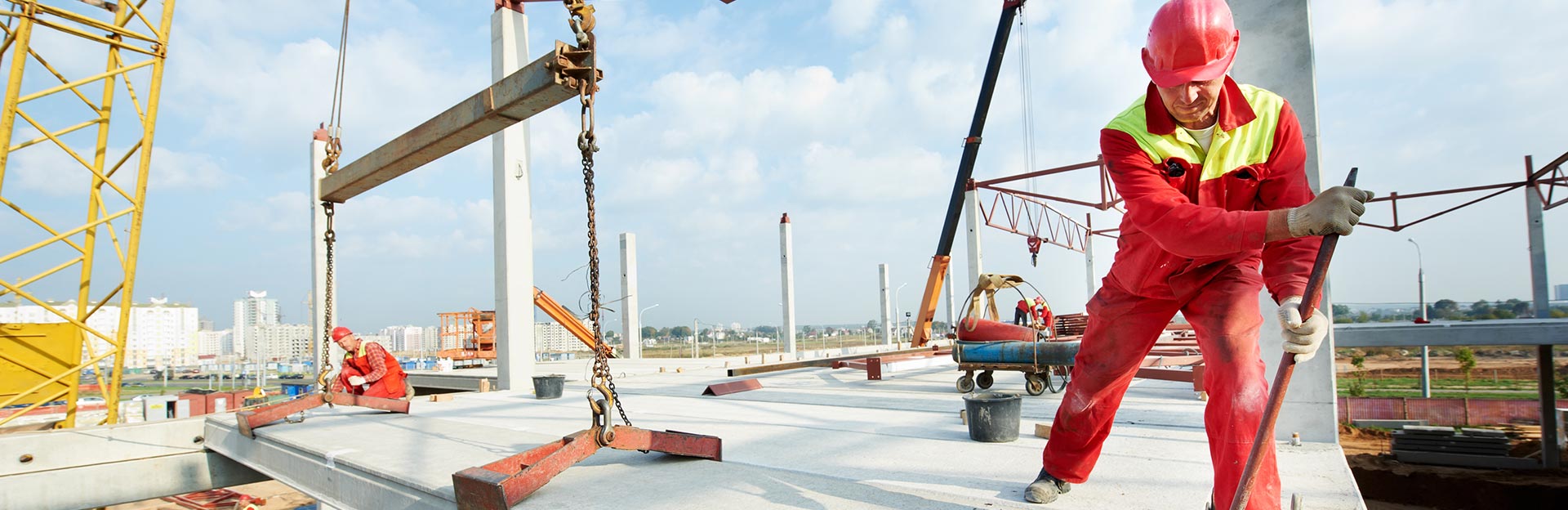
The stay vs. go office debate: six things to consider if you’re choosing stay
By Cam Hummerston, Divisional Director, Structure Tone London
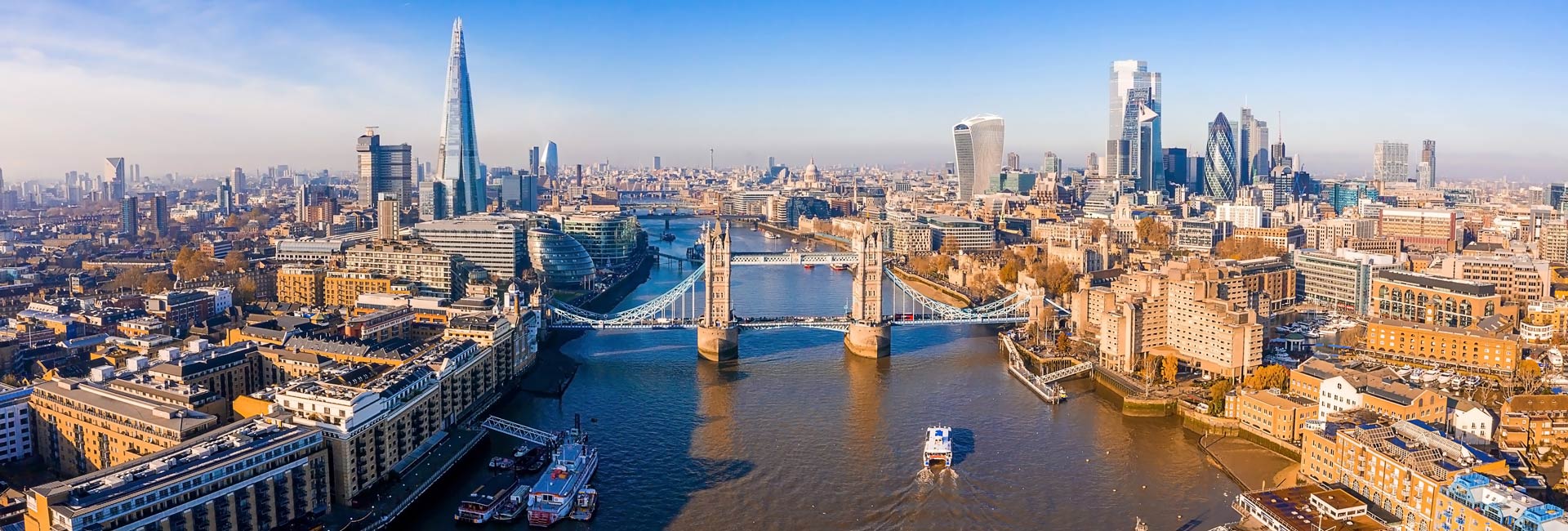
When it comes to deciding the best location for office space, ‘Stay or go?’ is quickly becoming one of the biggest decisions organisations are wrestling with.
With a shortage of high-quality office space, rising sustainability expectations and tighter building safety regulations in play, transforming occupied buildings is no longer a secondary option. For many businesses, it is the only viable one.
So, if you’re choosing to stay and retrofit your existing space, what do you need to consider?
“It’s like rebuilding the engine while the plane is still in flight”
Working around a live operation is often compared to rebuilding an engine mid-flight. The analogy holds because the risk is real and the margin for error is slim. And from our perspective, transforming live buildings while business-as-usual continues is about as technically demanding as construction gets.
Across London, we (at Structure Tone) are currently delivering more than a million sq ft of in-occupation fit out for clients in banking, financial services and technology. There’s no one-size-fits-all solution, each project is different, shaped by its own operational pressures and physical constraints – but there are some parallels.
The rise of data-led organisations has intensified the stakes. Any disruption to power, cooling, life safety or digital platforms carries consequences that extend far beyond the site boundary. Much of the most critical infrastructure sits out of sight, yet it must remain stable and resilient while significant alteration takes place around it.
Six factors impacting in-occupation fit out
Delivering major works in a live building introduces layers of complexity that standard fit out does not prepare teams for. In reality, it means getting clear on the constraints that define what’s achievable.
Deal with these constraints early and the programme settles down. Ignore them or soften them and the risk doesn’t go away; it just waits until it’s more expensive and more disruptive.
- Fire safety
Fire safety is one of the most sensitive parts of any in-occupation project.
Retained elements, new installations and temporary conditions all have to align with the approved fire strategy at every stage. Escape routes, compartmentation and life-safety systems are constantly under pressure as works progress.
The legacy details that might have been acceptable ten years ago often aren’t now. Tested solutions, proper verification and staged sign-off are essential if buildings are going to stay occupied safely.
- Insurance
Keeping a building occupied also changes how insurers view the risk. Temporary fire strategies, phased handovers and clear separation between construction and occupied areas are prerequisites for maintaining cover. Early alignment between the client, insurers, fire engineers and delivery team is the only way to avoid late surprises that derail programmes.
- Movement and vertical pressure
Vertical circulation presents another challenge. Lifts, stairs and risers are expected to serve the business while also supporting construction activity. Maintaining safe and compliant separation between routes is critical. This is not only about health and safety. It affects fire strategy, security protocols and the everyday functioning of the organisation. Preserving escape capacity while managing logistics is often one of the defining tests of an in-occupation project.
- Essential infrastructure upgrades
Infrastructure upgrades are rarely optional for long-term occupancy. Power, cooling, digital and life-safety systems often require full replacement, with the greatest challenge being execution in live environments. This typically demands parallel systems, phased changeovers and temporary plant within tight spatial constraints. Access, sequencing and safety are tightly linked and failure in one quickly amplifies risk in another.
- Structural interventions
Structural interventions might not be the most visible part of a project, but they often carry the biggest programme risk. New slab openings, risers, strengthening – these are high-impact decisions that usually need landlord approval and robust engineering sign-off. If they’re not locked down early, they have a habit of coming back later and dictating the programme on their terms, not yours.
- Sustainability requirements
Achieving sustainable performance targets like BREEAM, WELL and NABERS is often central to stay-versus-go decisions. But achieving them in an occupied building isn’t straightforward.
Re-use, embodied carbon reduction and operational performance all pull on the programme in different ways. When performance is measured post-completion, sequencing and commissioning become just as important as design intent.
The secret to in-occupation delivery success? A solid pre-con strategy
Ultimately, the outcome of an in-occupation project is shaped long before work begins on site. Pre-construction is where assumptions are tested and risks are exposed. Fire strategy, infrastructure resilience, access, logistics and phasing all need to be understood in detail. This is where programme and cost certainty are either built or quietly undermined.
In live environments, disruption has real operational consequences. Overly optimistic programmes and simplified narratives rarely survive first contact with reality. A grounded, forensic approach determined in the early stages wins every time.