
- Operational excellence in construction is built on communication, planning, and consistency in execution.
- Strong relationships with building staff, tenants, and trade partners are essential when working in occupied spaces.
- Understanding “whose house you’re in” helps drive respect, coordination, and smoother project delivery.
- Jobsite readiness—especially orientation, permits, and onboarding—is critical to preventing early delays.
- Lean teams are now the norm, making coordination, accountability, and mutual support between superintendents more important than ever.
- Preplanning and setting expectations early (bid leveling and kickoff meetings) define project success before work even begins.
- Leadership on site is reinforced through presence, accountability, and clear daily structure.
- Communication—both upstream and downstream—is the most effective tool for managing disruption in occupied buildings.
- Mental health is inseparable from jobsite performance and safety; leaders must actively engage and not ignore warning signs.
- Creating a culture of openness and support reduces stigma and strengthens teams under pressure.
- Simple human actions—checking in, stepping in, and offering support—can have life-changing impact.
- Operational excellence is not just technical execution; it is also culture, behavior, and care for people.
Operational excellence is framed as a combination of communication, planning, and field leadership. The conversation emphasizes that leadership on construction sites is rooted in setting expectations, maintaining discipline, and ensuring teams are aligned from the start.
Early career experiences include stepping into difficult, unfamiliar projects and having to problem-solve in real time. One speaker reflects on learning leadership through experience, including managing complex jobsite conditions and overcoming unexpected setbacks with limited resources.
Strong relationships with building staff, landlords, tenants, and operations teams are
essential. Success depends on understanding that teams are working in “someone else’s house” and earning trust through respect, communication, and coordination.
Clear communication is critical in occupied spaces. Strategies include giving tenants structured look-ahead schedules, categorizing work by noise level, and coordinating around tenant schedules to minimize disruption while maintaining productivity.
Superintendents must be involved early in bid leveling to set expectations with subcontractors. Kickoff meetings are used to clearly define rules, performance standards, and execution expectations so trades understand requirements before work begins.
Kickoff meetings are used to establish authority, expectations, and accountability. Leaders stress being direct with foremen and subcontractors, clearly communicating standards, and ensuring alignment before work starts to prevent downstream issues.
Lean staffing is increasingly common due to labor shortages and project budgets. Success depends on planning, accountability, and flexibility, with teams often needing to operate with minimal on-site support while still maintaining execution quality.
Lack of proper orientation and onboarding can halt work immediately. Readiness processes such as safety orientation, documentation, and daily planning are essential to ensure crews can start work without administrative or compliance delays.
Leadership presence on site is essential—being early, staying engaged, and maintaining visibility builds credibility. Daily discipline and execution standards reinforce authority and ensure crews stay aligned with expectations.
Mental health is directly tied to jobsite performance and safety. Leaders acknowledge that stress and personal challenges are part of the industry and emphasize responsibility in recognizing and supporting team members under pressure.
The discussion highlights the importance of removing stigma around mental health. Leaders stress that speaking openly, checking in, and creating safe spaces for conversation are essential to supporting workers.
A powerful example is shared where a worker disclosed past suicide attempts during a toolbox talk. The moment underscored how invisible struggles can be and how simple conversations can surface deeply personal experiences.
The episode closes on themes of collaboration, industry improvement, and shared responsibility. Leaders emphasize that stronger communication, shared knowledge, and unity across teams are driving positive change in the industry.
In this episode of Building Conversations, the panel explores what operational excellence truly means in construction today—moving beyond schedules and technical execution into the human systems that drive project success. From managing complex fit-outs in occupied buildings to setting expectations during bid leveling and kickoff meetings, the discussion highlights how leadership, communication, and planning shape outcomes on the jobsite. The conversation also turns deeply personal, emphasizing the importance of mental health awareness in an industry defined by pressure, long hours, and constant problem-solving. Leaders share real experiences that underscore the need for early intervention, open dialogue, and a culture where checking in on teammates is part of the work—not separate from it. Ultimately, the episode reinforces a clear message: operational excellence is not just about building structures—it’s about building trust, accountability, and a culture that takes care of its people while delivering at a high level.


Brian Bernhoft brings more than 40 years of field experience to his role as Construction Manager at Abbott. A third-generation carpenter, he has worked across multiple sectors—from tilt-ups to commercial projects—and is known for his ability to lead teams through high-pressure, fast-paced builds.
As the current leader of the Superintendent Roundtable, Brian drives initiatives that improve culture, onboarding, communication, and superintendent retention across STOBG. He also plays a key role in the Superintendent Academy, sharing practical field strategies and emphasizing leadership, consistency, and jobsite culture.
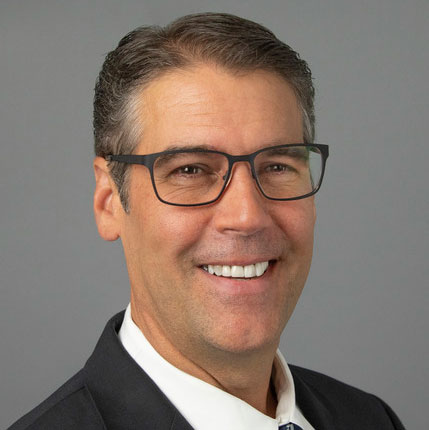
With over 30+ years of experience managing full-service construction companies, Greg Dunkle is an expert in development, design, pre-construction, and construction services spanning multiple markets and sectors.
As Chief Operating Officer, Greg is responsible for the overall direction and leadership of STO Building Group (STOBG)’s Corporate Services group, including Human Resources, Information Technology, Safety, Risk Management, Legal Services, and Compliance & Audit. He also plays a key role in the company’s merger and acquisition process, strategic planning, and various operational improvement initiatives. Prior to joining STOBG, Greg served as Executive Vice President, Eastern Division Manager, for Tutor Perini Corporation and spent 22 years with Gilbane Building Company.
Greg’s dedication to our industry extends to the community as well. He is a member of the national board of directors for the ACE Mentor Program, which connects architecture, engineering, and construction professionals to high school students to inspire them to pursue AEC careers.
Greg is also a LEED Accredited Professional, a CMAA Certified Professional, and OSHA 30-Hour certified. He holds a bachelor of architectural engineering degree in construction management from Penn State.
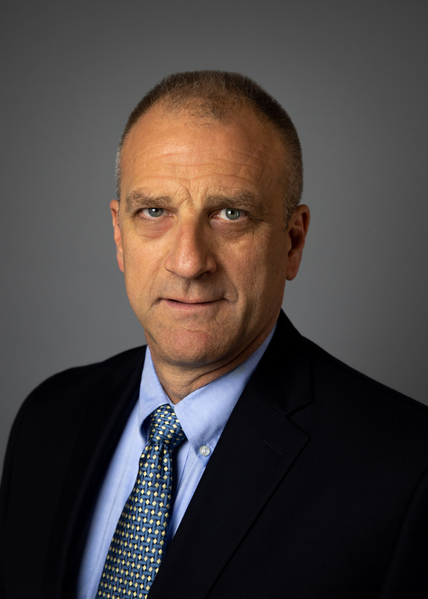
Ernie Tessein is a veteran superintendent with decades of experience and deep family roots in the construction industry. As a third-generation builder, he has spent his career managing complex projects, navigating evolving field challenges, and maintaining high standards for quality, safety, and communication.
Ernie served as the founding chair of the Superintendent Roundtable, helping establish its structure, purpose, and culture. He remains an active contributor to both the SRT and the Superintendent Academy, focusing on training and mentorship.
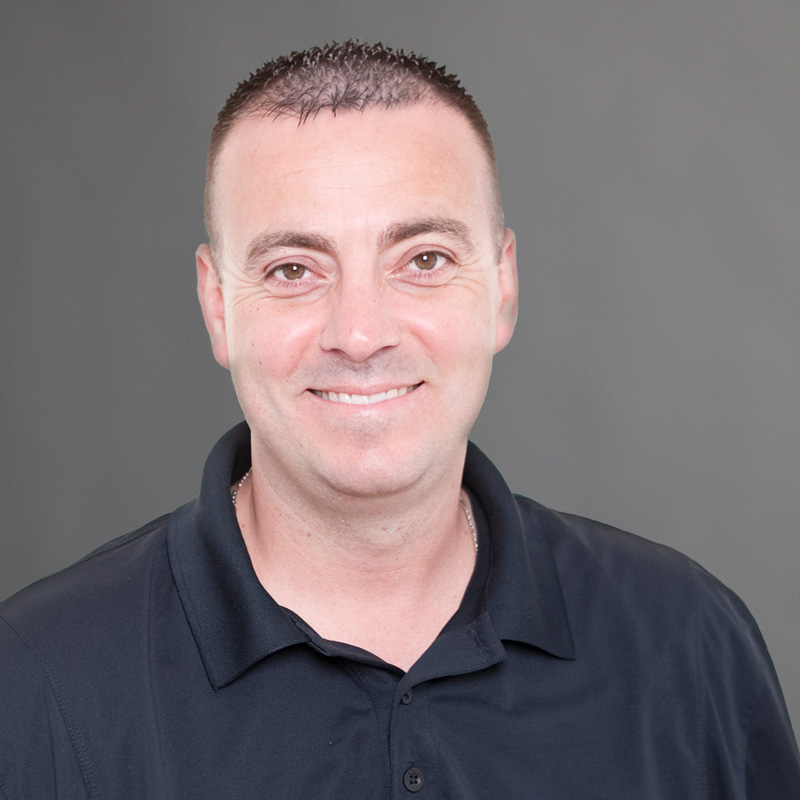
Ed McGinley is a Senior Site Manager with Govan Brown. He is responsible for overseeing on-site construction activity and managing the flow of work across multiple trades and project teams. With nearly a decade at the firm, he brings strong field leadership experience focused on execution, coordination, and maintaining momentum on active construction sites.
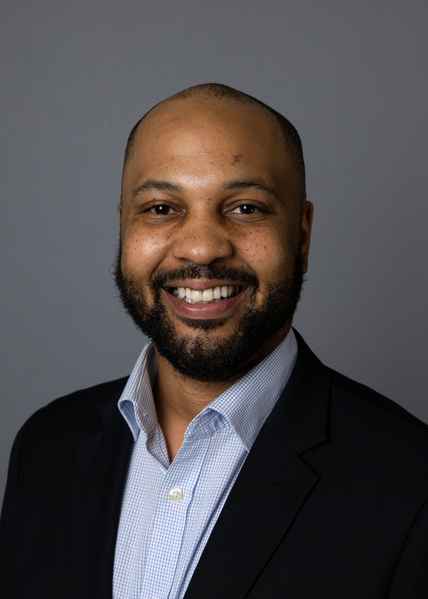
Denis Flemming began his career in 2001 at Structure Tone LLC as an Accounting Clerk before transitioning into Operations, where he worked in the Plan Room as a Plan Clerk. During this time, he strengthened his construction knowledge through blueprint reading studies at Mechanics Institute. In 2006, he moved into the field as an Assistant Superintendent, with his first major assignment at the Merrill Lynch Bright Horizons Daycare project in New York City.
Since then, Denis has spent his career in Operations and the field as a Superintendent, growing through hands-on experience, mentorship, and a range of complex projects across New York, Connecticut, and beyond.
His notable projects include Merrill Lynch Bright Horizons, First Republic Bank, Paul Smith retail, Adidas Farm House, Deutsche Bank trading floors, Charter Communications headquarters, Robinson+Cole office renovations, and The Foundry in Hartford.
Denis credits his career growth to strong mentorship, diverse project experience, and long-standing relationships with colleagues, clients, and trade partners, and he continues to focus on delivering high-quality projects as a Superintendent.

This episode takes you behind the scenes of the STO Building Group (STOBG) Superintendent Roundtable, where collaboration and knowledge-sharing strengthen field leadership across the organization. Greg Dunkle, STOBG’s Chief Operating Officer, sits down with three Roundtable members—Ernie Tessein of Structure Tone Philadelphia, Brian Bernhoft of Abbott Construction, and Matthew Persico of Structure Tone New York. Together, they discuss emerging industry challenges, their paths into construction, and the unique value the Roundtable provides in elevating field excellence across STOBG.
Listen Now
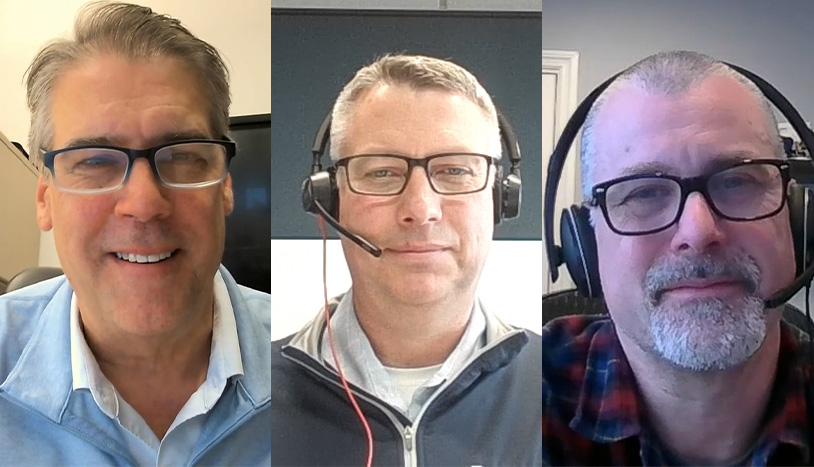
What happens when stress and distractions become hidden safety risks on the jobsite? In this episode of Building Conversations, host Greg Dunkle—STO Building Group (STOBG)’s Chief Operating Officer—is joined by Robert Labbe, Vice President of Risk Engineering Services at American Global, and Jeff Matthews, Safety Director of Structure Tone Philadelphia, to discuss why mental health and suicide prevention must be part of the construction safety conversation.
Listen Now